
The Best Time to Buy and Sell a Home

Have you ever heard that Spring is the best time to sell a home? While there are certainly seasonal patterns in the greater Cincinnati real estate market just like most places, the main thing to consider is what the situation is when you are ready to sell or buy. Timing does matter, but having a good strategy for the season you’re in matters more!

March to May: More Inventory, More Competition

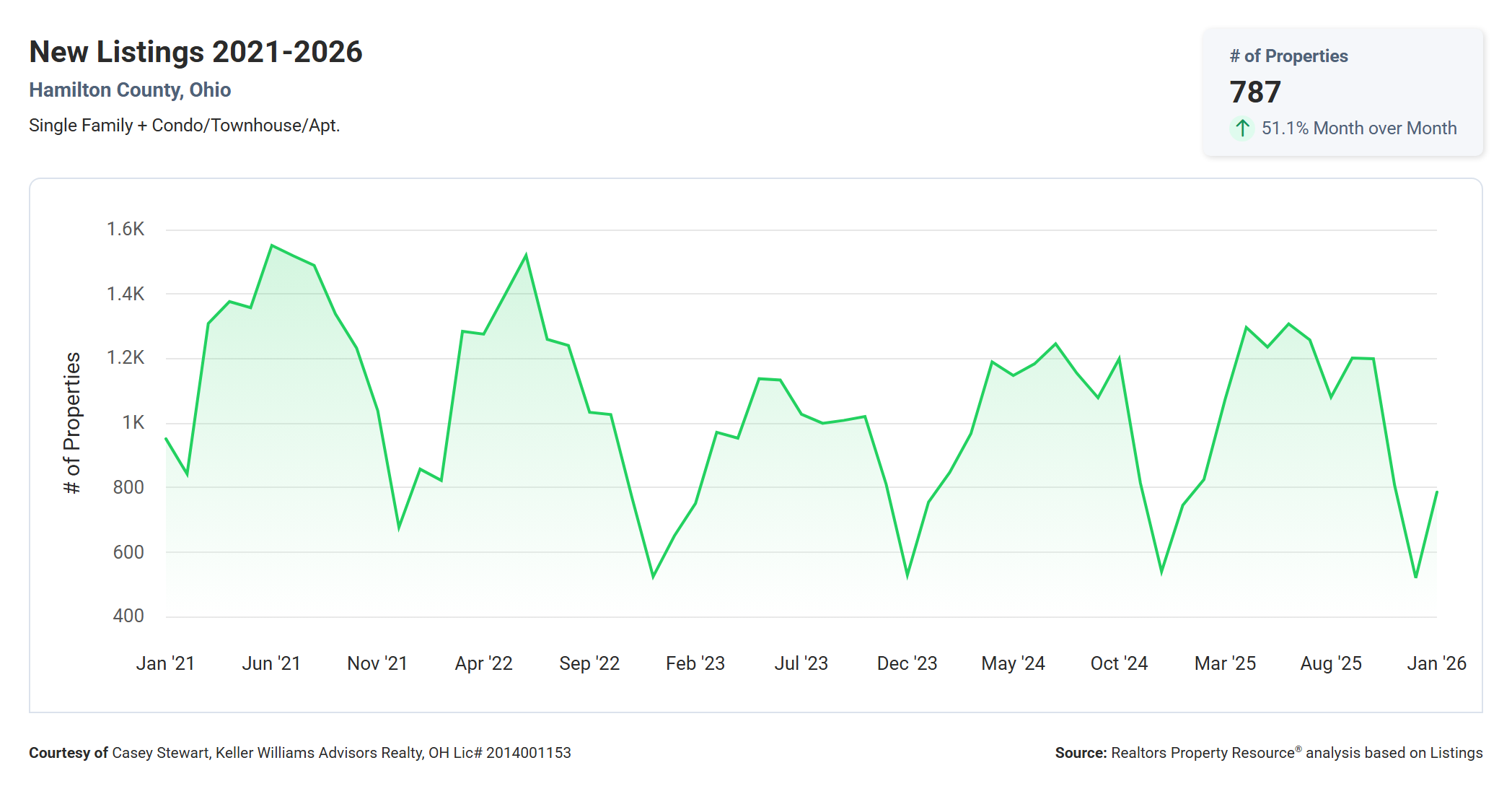
Line graph showing number of new listings by month in Hamilton County, OH between January 2021 and January 2026

Due in part to school calendars, better weather, and corporate relocations, Spring is still the most popular time of year to see new homes come up for sale. You’ll see this pattern most dramatically in high demand school districts, because many families find it easier to make a move when their children are out of school for the summer. For sellers, this can mean that you are competing against more listings, so it can be tough to stand out; you’ll want a solid agent advising you on pricing, presentation, and negotiations to make sure you achieve your goals.

Buyers know this pattern if they’ve been watching the market for a little while, and they know it will mean more options to choose from, but also multiple offer situations due to the large number of competing buyers this time of year. Without strong financing and expert negotiation, it can be tough to win and many Spring shoppers find themselves having to write a few offers before they get under contract. Buyers who need concessions from sellers often have trouble competing in the Spring, but if they’re willing to take on a home that might need some updating or has other issues that their competitors turn down, deals can still be made!

June to August: Still Active, More Pressure

As schools start to close for the summer, there are usually still plenty of homes on the market, but this starts to change over the summer. Many buyers start to feel that they’re under more pressure to find the right home before school starts up again, and sellers start to worry that they’ll run out of time as well while watching other homes go pending. Plus, many families choose summer for their family vacations, so between being out of town and coordinating summer sports activities, it can be more challenging to get to the right house at the right time.

On the upside, most homes show their best in the summer! Sellers should focus more than ever on their curb appeal and landscaping during this time. Buyers normally see a little less competition by this point in the year, and they often have a little more time to make a decision. This can mean more contracts staying together than during busier times.

September to November: More Opportunities

Autumn traditionally brings fewer new listings to the market, and homes tend to stay on the market longer which usually results in more price reductions than other seasons. Sellers during this time are usually more motivated, and since some Buyers have decided to hold off until the next year by this point, Buyers should see less competition overall. This particularly benefits move-up Buyers who need to sell their current home in order to buy the next one, property investors who can more easily pick out the homes that aren’t appealing in their current state to the rest of the buyer pool, and first time buyers who might not have been as attractive to sellers earlier in the year.

December to February: Less Volume, More Intent

If there’s one rule about winter, it’s that anyone who’s buying or selling during this time is likely to be very motivated. There’s less daylight to see homes, colder temperatures, and lots of holiday activities to juggle on the calendar. Most homes don’t look as pretty without leaves on the trees, and snow is only charming to a point. Sellers can expect serious buyers during the winter who really want or need to move, perhaps due to hating their rental, job relocation, or other life events. Buyers won’t have as much competition in the marketplace, but they’ll also have less to choose from so it’s not the ideal season to be picky.

Winter is a great time to reach out to your agent, though, if you are considering making a move in the next 12 months. Sellers will have more time to get an idea of their home’s current and projected resale value, professional input on what improvements might be worth the money, and which season might be best for their particular neighborhood and situation. Buyers can start casually viewing homes for sale, and first timers especially can use this time as a learning period to see what types of homes they might like, what some common areas of concern might be, and which homes sell faster than others — while at the same time continuing to save for their down payment, or improving their credit to put themselves in a better position when they find the right home.

Should You Time the Market?

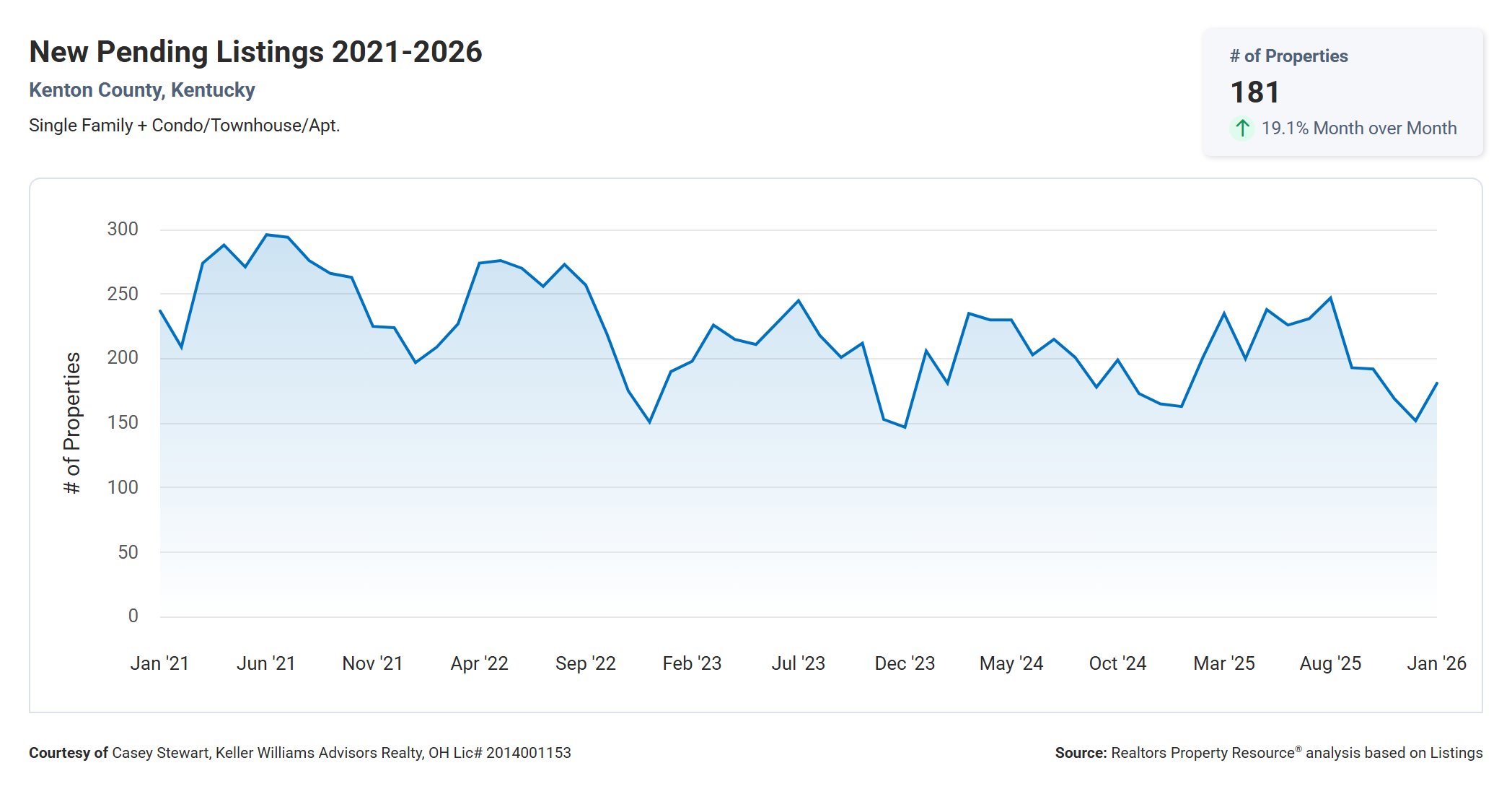
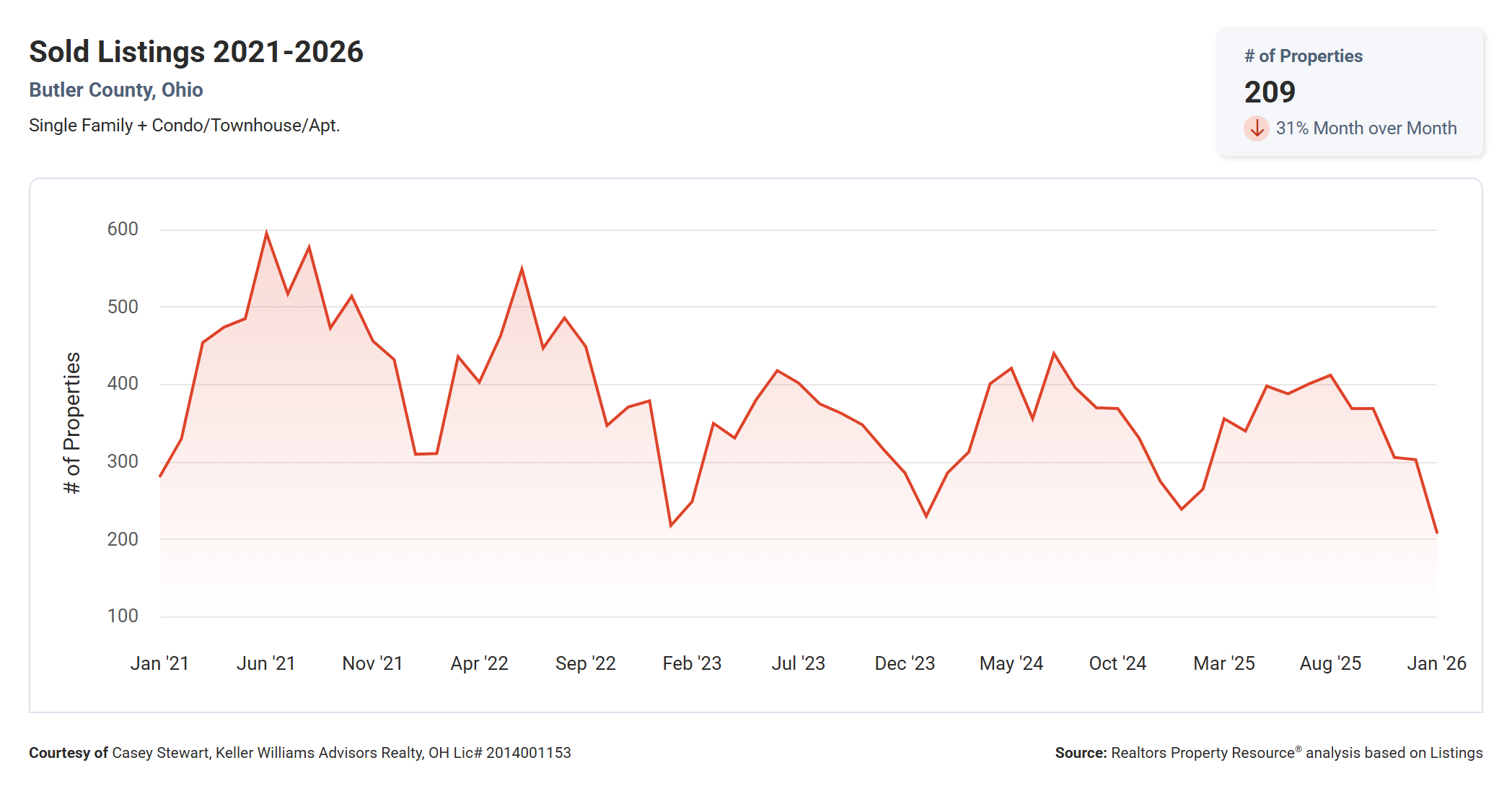
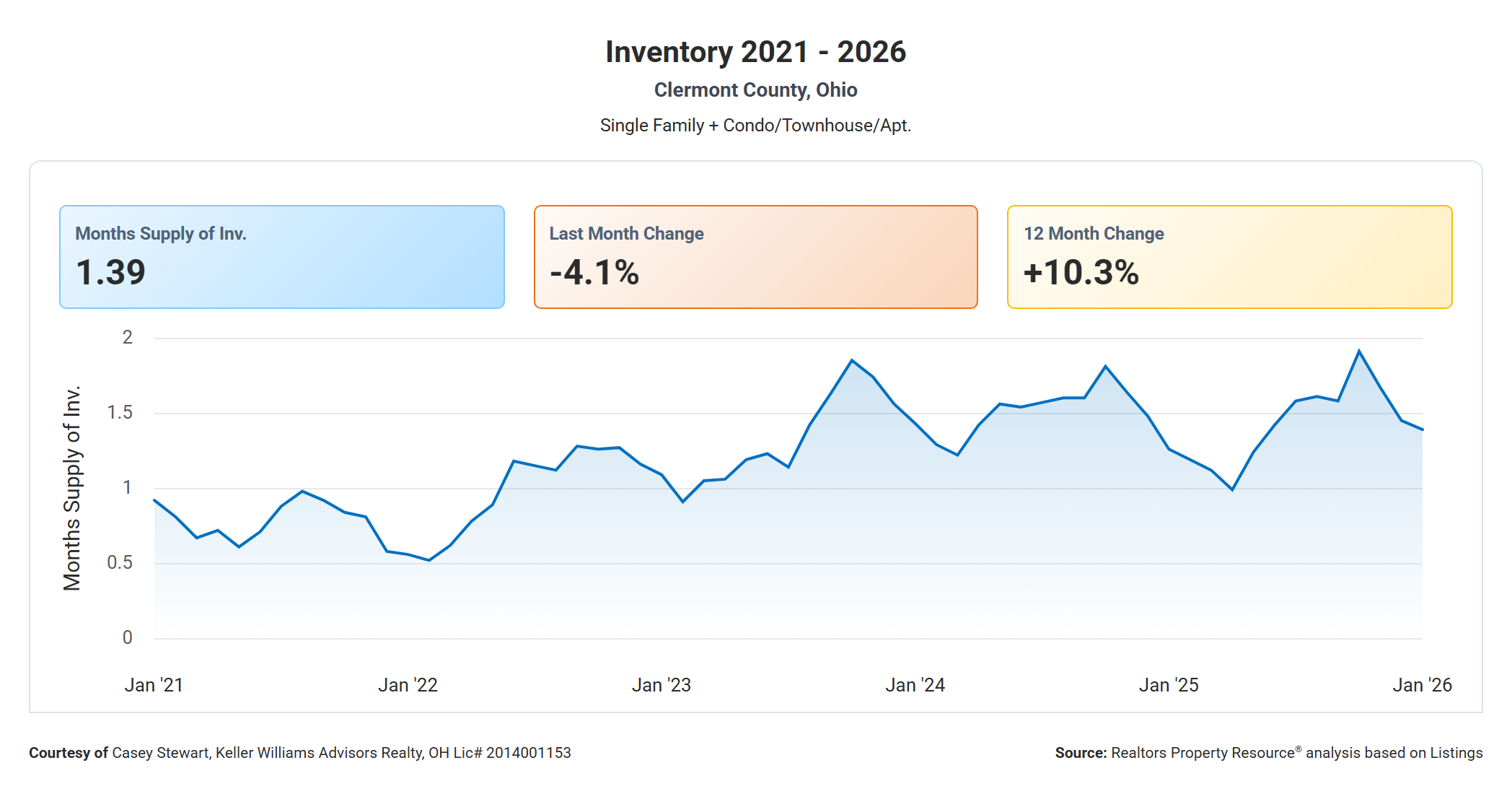
You can see in the charts above that these trends seem to be true throughout greater Cincinnati (each one pulled data from a different county), but keep in mind that this can vary on a micro level: urban, suburban, and rural markets all function a little differently, which is why it’s so important to review your specific situation with a great agent. Your price range, school district, and percentage of investors to owner-occupants can also affect market activity and timing, not to mention national factors such as mortgage rates and economic or political uncertainty.

My personal feeling is that the best time to sell your home is when you’re ready to sell: when you’ve made all the improvements you are willing and able to make, when you’re financially and emotionally ready for the change, and when you have a solid plan. The same concept applies to buyers! If you are financially prepared to buy a home, and homes in that price range align with your goals, it’s time to start looking.

“Ninety percent of all millionaires become so through owning real estate. More money has been made in real estate than in all industrial investments combined. The wise young man or wage earner of today invests his money in real estate.” - Andrew Carnegie

Everything You Need to Know About Appraisals

Despite real estate appraisal being part of nearly every real estate transaction, I’ve noticed that many clients (and even some agents) have a lot of questions about the process and purpose of property valuation. Below, you’ll find some of the most common questions with answers that will hopefully clear up any misunderstandings!

  • Is the appraisal the same as a home inspection? No. The buyer hires their own inspector(s) to do a thorough investigation of the property’s condition and ensure that it meets their expectations. An appraiser is usually hired by the mortgage lender, paid for by the buyer, to ensure that the property value is worth at least what the buyer has agreed to pay. If a lender has agreed to provide a mortgage equal to 90% of the property value, they have to verify that the value is actually there in case someone defaults on the mortgage and they have to sell the property.

    • Some types of loans (e.g. FHA, VA, USDA) require appraisers to visually inspect the attic and verify that the utilities are functioning. Assume that you should have all utilities active unless your purchase contract specifies otherwise.

  • My lender told me I don’t need an appraisal. Why not, and should I get one anyway? Many lenders have automated valuation software that can provide a general idea of a property’s value; if you are making a substantial down payment or purchasing a property below market value, your lender may decide to waive the appraisal. It saves the buyer money and saves the lender time. If you’re worried about the value, don’t be — there’s hardly any chance that a traditional lender today would assume a property’s value without plenty of evidence. If they’re agreeing to lend you the money you need to buy it, just roll with it.

  • I just had my home appraised a few months ago for a refinance. Can’t we just use that report instead? Nope. Because property values can change over time, each appraisal is technically only valid for the date the property was evaluated. Also, appraisers must take the purpose of the appraisal into account when preparing the report, so it is not uncommon to see different values for refinances, purchases, divorces, etc. That might seem strange, but if you consider the lower risk of refinancing an existing mortgage for a homeowner who has already been making regular payments, it does actually make sense.

  • I want to make sure the appraiser gets the “right” value — what information can I give them? This depends on who you are, but first, please remember: it takes a shocking amount of time and work to become an appraiser, so they might not look kindly upon someone else telling them how to do their job. Also, there are very strict appraisal guidelines that detail exactly what information can and can’t be considered.

    • The lender is not allowed to instruct the appraiser and will usually avoid personal contact with them; this is to avoid the appearance of undue influence (which was definitely something that used to happen a lot before the mortgage crisis and subsequent new laws).

    • I encourage sellers to provide a list of any substantial improvements made during their ownership, especially during the previous 5 years. Knowing the age of the roof, doors, windows, siding, etc. is always helpful. Any additions or major remodeling would also affect value. If you want to share the cost of those improvements, feel free…but it doesn’t matter. What you paid doesn’t impact the value from an appraisal perspective.

    • Agents, please know that the appraiser has access to the same data you do in the MLS and public records! So while it may be tempting to leave comparable sale information for every appraiser, please don’t waste your time or theirs unless the property is especially unique or you’re aware of a reasonably similar home that might be missed during a standard comp search. One exception that might be made during very competitive markets is providing information on the number of offers that were received and the relevant details of those offers (all over list price, etc.). This might help justify, for example, a picture-perfect mid-century modern home selling for $100k over list price and at least $125k more than any other nearby home with the same number bedrooms and bathrooms.

  • Who can be present during the appraisal? The seller is always allowed to be present at their property, and the seller may require their agent (or the buyer’s agent) to be on the premises when any 3rd party is at the home. However, if you are present during the appraisal, let the appraiser do their thing — be available to answer any questions, but don’t follow them around. Pretend it’s a buyer tour and turn on all the lights, make sure doors are unlocked, and make it easy to access the major mechanics and the attic if necessary.

  • Can I get a copy of the appraisal? If you’re the buyer who paid for the report, absolutely. If you’re the seller, no. When the lender has approved the appraisal report, you’ll be notified whether it is “good” or not (in other words, did it meet the value in the purchase contract?) and whether there are any conditions — these are repairs that could be required by an appraiser to ensure the property meets the minimum standard for that type of loan.

  • The appraisal says the value is good, but subject to some repairs. Does the seller have to make the repairs or can they refuse? If they want to sell the property to this buyer, they need to make the repairs — and if they are unclear about any part of the conditions, definitely get clarification from the appraiser as soon as possible. However, a seller might decide that it’s too much work or expense. The buyer is usually prohibited from making any repairs to a property they are purchasing (unless they are already a tenant of the property, which is a fair exclusion in my opinion), but there’s technically nothing to prevent an agent helping out.

  • Can I appeal the appraisal if I don’t like the value? While there is a process to appeal an appraisal, there are many factors involved and the success rate varies greatly (based on a quick Facebook survey of Cincinnati-area agents I did last night). Some agents recommend changing lenders instead, which would usually prompt a new appraisal. Others have had luck by using the right language: “please help me understand” rather than “what on earth are you looking at”. From my experience, it’s always worth a try, but don’t get your hopes up — discuss backup plans to be sure you know what your best options are.

Preparing Your Home for Sale

If you google the title of this blog post, you’re going to find a ton of advice and it’s all going to sound pretty similar. Most of it is not incorrect, but some of it is impractical, especially when you’re trying to use all available funds to purchase your next home while also juggling a full time job and shuttling your kids around town (for example). So here are my tips for your top priorities on how to get your home to show its best without (hopefully) breaking the bank or your will.

  • Clean like you’ve never cleaned before, maybe more than once: scrub the floors, wipe down the walls and baseboards, make those windows and sills gleam. If that stained caulk in the bathroom just won’t get white or clear again, it’s time to re-do it (this is really simple and inexpensive!). Steam clean the carpets. And the curtains. And the sofa. Are you worried about being judged for your obviously used oven, refrigerator and dishwasher? You’re not wrong, so clean those too. Hiring professional cleaners for a one time deep clean might be worth the expense. You can head to the dog park for a day and come back to a neat and tidy home.

  • Declutter, donate, and depersonalize: It’s time to go through all those junk drawers and garage shelves and start clearing out what you don’t need! If there are usable items that you don’t want to just throw away, donate them. If there are 10 pieces of decor on the wall, pare it down to 1 or 2. Box up the rest, or for family photos that you love but are ready to replace with more current pics, digitize them and keep the frames for later use. In fact, it’s time to box up anything you can live without seeing for the next 3 months: seasonal clothing, sports equipment, collectibles and keepsakes, etc. Buyers understand that you’re moving, so they’re not going to be shocked that you have a stack of boxes in your basement or garage.

  • Complete your “honey do” list: chances are there are projects that you’ve had on your mind that you never ended up completing. If you never finished repainting the bathroom or replacing the flooring in the half bath, or if you already bought new outlets or register covers to replace the old ones, it’s time to get on that. There are probably local handyman services that can help you if the list is a little longer, and paying a few hundred dollars to complete finishing touches can make a huge difference to prospective buyers.

  • If it’s broken, fix it: I’m sure you’re used to that faucet that drips if you don’t position the handle just so, but an inspector is going to make a note about it that is going to get some buyers believing that the plumbing is faulty throughout the home. If you have a non-working outlet, leaky faucet, door or window locks that don’t work, cabinet doors that don’t stay closed, or anything that might lead a buyer to believe you haven’t taken exquisite care of this home, please for the love of all the money you’re hoping to make on this sale…just fix it.

  • Ask your agent about the best use of your fix-it dollar: if you are considering doing something more substantial to your home before selling (like replacing the roof, updating windows, or renovating a bathroom) and have a specific budget in mind, it’s time to talk to your agent about what buyers in your market are looking for in their next home. It might make more sense to have some items, like the roof, professionally evaluated rather than replaced. Or if that powder room is the last bastion of the 1970s in your home, updating it might have a huge impact. If you’re worried about a big ticket item that could turn away buyers and you can’t afford to fix it, you should probably get an inspection along with a quote for any repairs so that prospective buyers are prepared rather than scared.

But wait, you’re thinking, I thought this was going to be a short and easy list? If you’re questioning the necessity of any of the above, just look at it from a buyer’s perspective: if there’s something in your home that would be a turn-off in a home you’re touring, chances are other buyers feel the same way…so you need to address it.

What To Know When You're Relocating

Over the years, I have worked with several clients who are moving to (or out of) the greater Cincinnati area from another state. Some of them also have homes to sell, and are worried about how to manage the process of buying and selling at the same time. Another concern is how to act fast on a home in the current market when, in most cases, they won’t be available to see it in person. Luckily, today’s technology offers many potential solutions to these problems! Here are some things you should remember when moving long distance:

  • Get to know your agents, and introduce them to each other. You’ll need everyone to be comfortable communicating throughout the process of listing your home and purchasing a new one, and your honesty and openness with both agents will ensure that they truly understand your needs. Plus, with your agents already in communication, any last minute hiccups or changes can be quickly communicated without you having to be the go-between.

  • Ask ALL the questions. Real estate terms, customs and laws vary greatly between states and even regions within states. If you aren’t sure you understand something your agent said, don’t be afraid to ask for clarification. Let your agents know about any and all concerns you have about a property. Find out what areas of town your agent knows best, what they like to do in their spare time, where their kids go to school or what sports they play, and share as much information about yourself and your family as you can! Agents can be great resources for you beyond real estate, and you’re going to be depending on yours a lot in the near future.

  • Do your own research. The internet is a wonderful place, full of free information on property records, individual sellers, historical photos, and more. If you see a home that meets your needs, look at the location on a map, use the street view to take a walk down the street, check out crime statistics and local schools (even if you don’t have children in school, the quality of schools available can directly affect home values). Find the closest grocery store, gas station, gym, park, bourbon bar or cat cafe (whatever you’re into!). Join a Facebook group or two and connect with people in your desired neighborhoods for perspectives that your agent might not be legally or ethically able to provide.

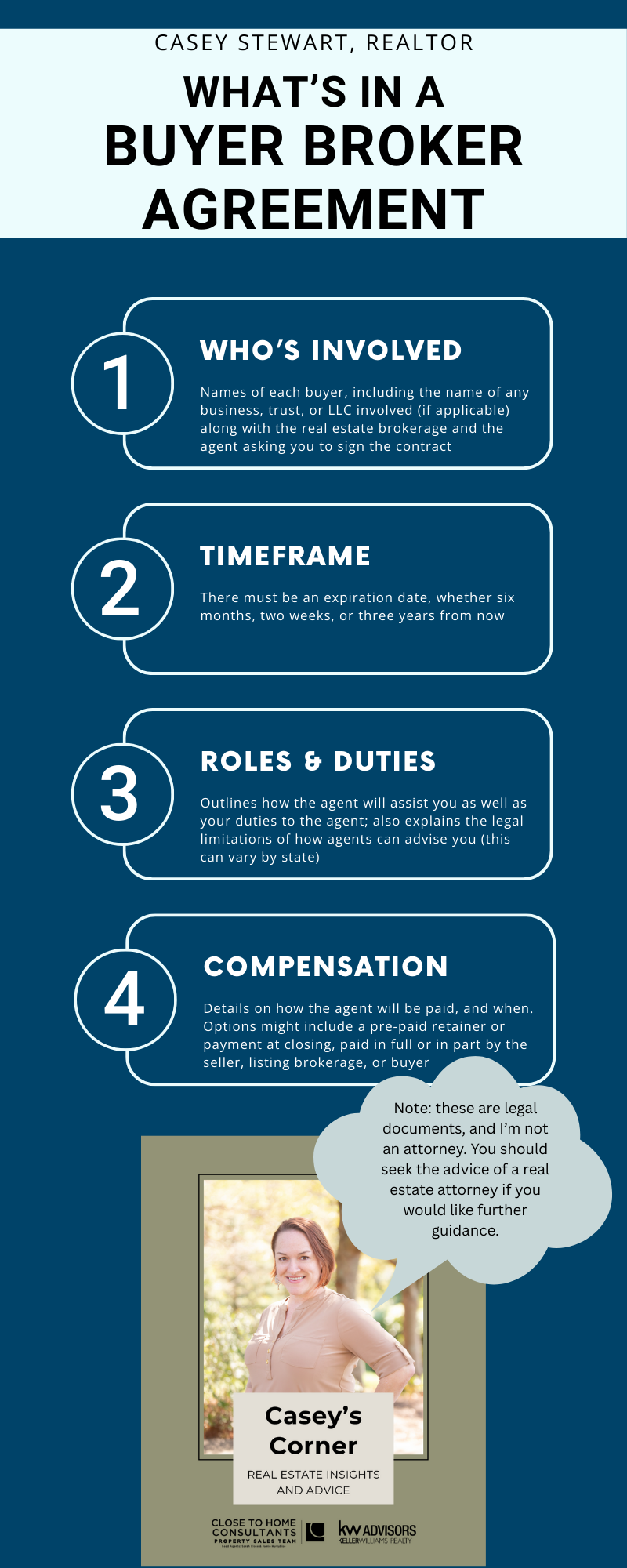
  • If you don’t mesh well with your buyer agent, find a better one. Viewing properties over a video call, or with videos created by your agent, can be a little intimidating. You’re about to make a huge decision, and you need to feel comfortable that your agent has your best interests at heart, knows enough about potential issues with a property to gather additional information for you, can give you a clear picture of the local market and the value of any homes you view, and helps you find the right home no matter how many offers it might take. (Note: As of August 17, 2024, agents in Ohio are required to have a signed buyer brokerage agreement before showing any property listed in the MLS. These agreements can be for one property or for a predetermined amount of time. If you desire to cancel that contract, ask the agent directly. If you can’t agree, it’s a good idea to seek legal advice before working with a new agent.)

  • Ask if you can send a friend. If you already have a connection in your destination city, ask if they would walk through a property with your agent. Most people love touring homes even when they’re not in the market, and it can be helpful to have a second set of eyes on the home who isn’t a professional — they might ask questions your agent wouldn’t anticipate. Agents love meeting new people, and should understand that having another opinion on the property should make you feel more comfortable whether you make an offer or keep looking. (Note: As of August 17, 2024, you may need to give advance written permission for this person to represent your interests during the showing. Ask your agent for clarification.)

  • Don’t waive inspections — do more of them. Your agent probably knows to look out for many signs that a home has some underlying conditions, but they are not usually inspectors. If you can’t tour a home in person, get a professional opinion about every major system in the home. Don’t skimp on separate inspections for the pool, septic, chimney, sewer lines, etc. While you might have had to give up your right to request repairs from the seller to secure a contract, you still have the right to renegotiate the price in most cases, and you definitely will be better off losing $1,000 in inspections than buying a home with serious underlying issues that could cost much more.

  • Your listing agent can be the caretaker of your home. If you have to move out of the area before your home is sold, chances are you will need someone to check your mail, take out your trash, make sure the lawn gets mowed, return your internet equipment, and relate information to the new owners at closing (keypad codes, security system information, smart home apps, etc). Your agent can help with a lot of these things, so make sure they have a key, the code for your garage, and the contact information for a neighbor or relative that you can trust to assist as well.

I’m sure there are more factors to consider depending on your situation, but these tips should apply to nearly everyone. Let me know if I’ve missed something in the comments! (Rev. 8-30-2024)