
Is it time to refinance?

Picture this: you'd like to sell your home and move to a new one, but you haven't built up enough equity in your home for that to make financial sense. This is the case for many homeowners who may at one point have been underwater, but have watched home values slowly rise (or not so slowly, depending on what part of the country you're in).

There may be a solution -- not an instant fix, but nonetheless a smart step on that path to owning the new home you have in mind. Mortgage rates are still nice and low and qualifying should be easier than anytime in the past several years. However, rates are expected to rise this year which would once again make refinancing impractical for millions of homeowners. 

Refinancing helps you, when it's done intelligently, by helping you capture more of the equity in your home and locking in a lower monthly payment. For example, I purchased a home in 2009 with an FHA loan and refinanced in 2011 when I saw property values rising dramatically -- meaning that I already had more equity in my home just due to market activity. And since I was pretty sure I was moving within the next 3 years (I was right), I chose a 5/1 ARM at 2% interest, which cut my payment dramatically. I did have to pay closing costs out of pocket, which I was able to do, but I no longer had to pay mortgage insurance. Plus, I was able to pay bi-weekly which meant an extra payment a year...so when I sold my home in 2013 I was able to walk away with a good amount of cash.

For more information on refinancing, check out this article from TheTruthAboutMortgage.com or talk to your favorite lender -- and if you're looking for a lender in the Cincinnati area, check out my Helpful Information page for some referrals!
 

5 Spring Home Buying Strategies | Realtor Magazine

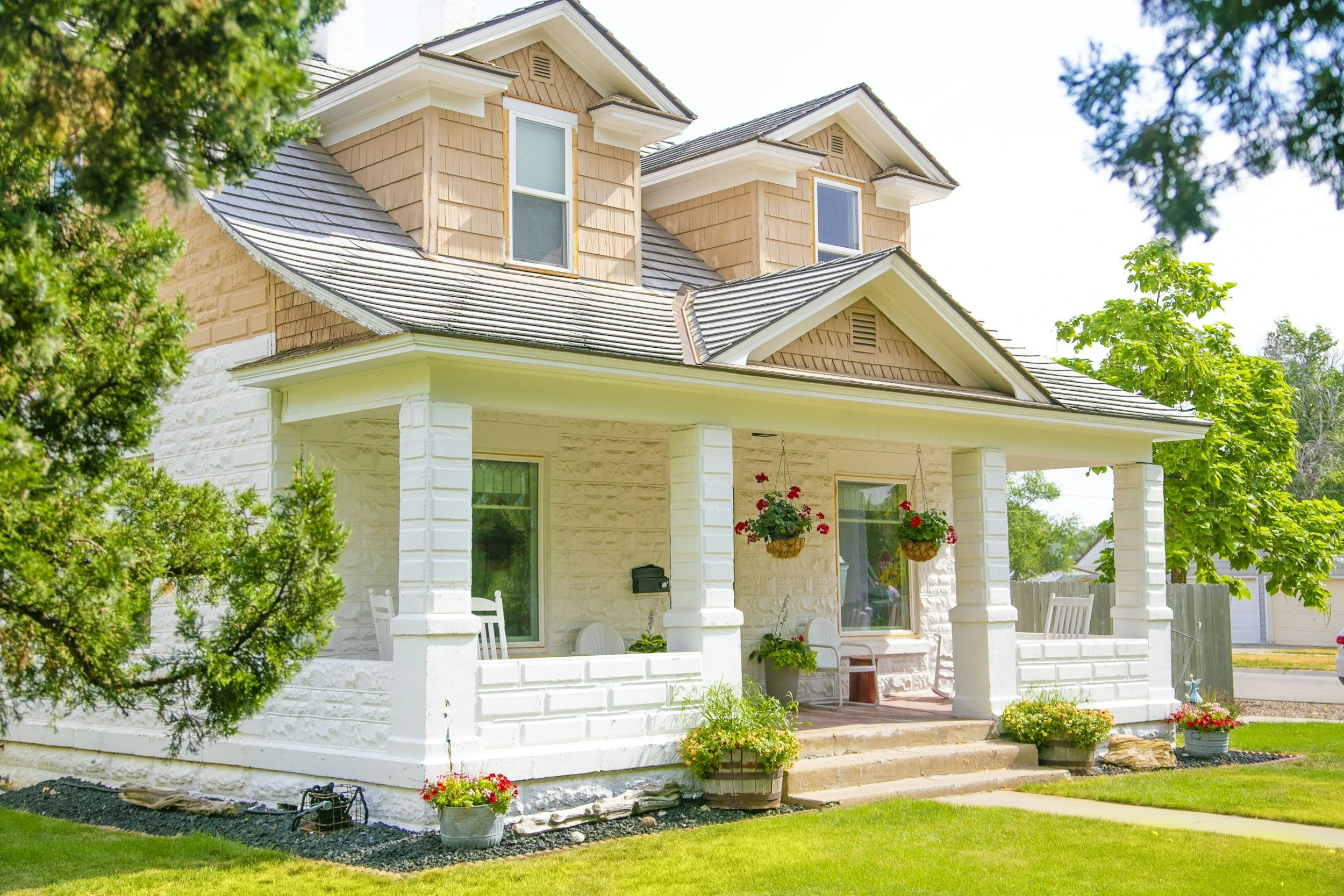
Spring has sprung and both buyers and sellers are experiencing a fast-moving market! Inventory is still low, so getting out and seeing homes as soon as they come on the market has become increasingly important for buyers. To be truly prepared, make sure you have chosen a lender who can provide you a pre-approval letter on demand. You'll also want to know which home inspection company you'll use and whether you need a real estate attorney to assist you in understanding any potential legal issues.

A great way to start this process is talking to your favorite Realtor for referrals to all of these professionals and more -- general contractor? local lawn service? -- so you're ready to jump on the right house when you find it. Even if you enter a bidding war, which is pretty common at the moment, you can be more confident knowing you have the support of a knowledgeable team.

For the full article, just click on the title link!

Stage Your Home For A Faster Sale

Putting your home on the market can be tough -- how do you make your home a showplace when you're still living there? My first suggestion is pack and purge: assuming your home sells in three months, pack away the items you won't need during that time, or take this opportunity to rid your home of excess STUFF. You can always ask your favorite Realtor what the average time to sell a home in your neighborhood is and use that time frame as a reference. Spaces with less stuff will always look larger than spaces with more stuff. That's just the truth.

Depersonalization, cleaning, and modernizing basic fixtures can also go a long way to improve the impression your home makes on potential buyers. For a great infographic on this, check out Moshells.com and learn how to get your home ready to sell without breaking the bank. Especially in this time of "dwindling inventory," it may behoove you to get your home on the market faster rather than do lengthy renovation projects!

Want To Buy That $40,000 Home? No. You Don't.

You've all heard the stories -- finding that gem of a foreclosure way below market price that only needs a new furnace and some cosmetic updates, bought by a savvy investor or lucky owner-occupant. Have you been hoping to find the $40,000 property in a $100,000 neighborhood that only needs a new roof, not a new foundation? I'm here to tell you that the likelihood of that happening anymore is very, very small. Infinitesimal. The homes I've been showing in Hamilton, Clermont and Brown counties that are in this price range are not worth fixing up -- you will never ever get your money back. Sounds harsh even to me, but there you have it. That's the bad news.

The good news is this: if you have an income that has been nice and steady for the past two years, average credit, and the will to commit to home ownership, qualifying for a mortgage is probably MUCH easier than you think. Plus, there are plenty of low down payment mortgage options for you to choose from: FHA with 3.5% down and recently lowered mortgage insurance premiums, USDA in many rural areas with 0% down payment, VA loans for veterans of the military with no mortgage insurance premium, the new Freddie Mac Home Possible Advantage with 3% down -- many lenders are even offering 5% down conventional loans.

Will you end up paying more for a house if you make a smaller down payment? Yes, probably. Unless you make extra payments and pay down the principal balance over time. But it still beats renting, and as long as you take good care of your home chances are you will see a return on your investment.